
Through March 2026, we have followed the journey of data from the field to the project manager/scientist desk, to the executive boardroom, uncovering how manual data management erodes profit and stalls growth. But there is one final stakeholder whose sleep is cut short not by billable hours, but by risk.
Welcome to Stage 5: The Digital Fortress. For the IT Director or CTO, this is where the conversation shifts from "efficiency" to "survival". In a world of increasing regulatory scrutiny and cyber threats, your data isn't just a report, it’s a liability or an asset, depending on how you house it.
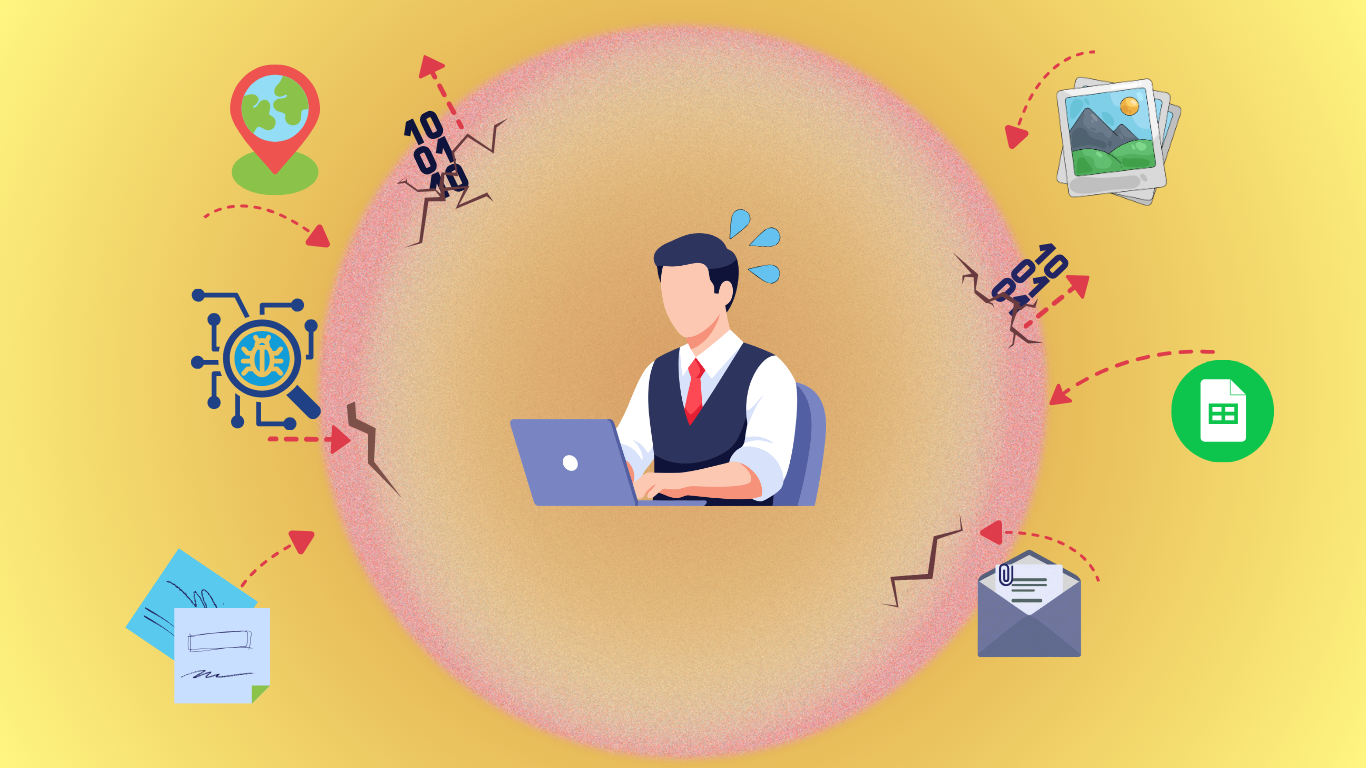
The Cracks in the Castle Walls
When a firm relies on fragmented, manual workflows, it inadvertently creates a "Shadow IT" nightmare. Because official processes are clunky, employees find "workarounds" to get their jobs done:
The Photo Leak: Site photos are stored on personal device galleries or sent via unencrypted messaging apps.
The Spreadsheet Scatter: Critical project data lives on local hard drives or personal cloud storage rather than a central, backed-up server.
The Email Audit Trail: Trying to reconstruct a "Single Source of Truth" involves digging through hundreds of disconnected email threads.
For the IT Director, this isn't just disorganized; it's a Data Integrity crisis. If a server fails or an employee leaves, that "Shadow" data vanishes, leaving the firm unable to defend its past work in an audit or a courtroom.
The Threat of External Siege
It’s not just internal fragmentation that’s the problem. Environmental and hazmat firms handle sensitive client infrastructure data, making them prime targets for:
Cyberattacks & Ransomware: Fragmented systems with multiple "entry points" are harder to defend than a single, unified platform.
Compliance Failure: If you cannot prove exactly who touched a data point and when, you risk failing the stringent data governance requirements of large-scale government contracts.
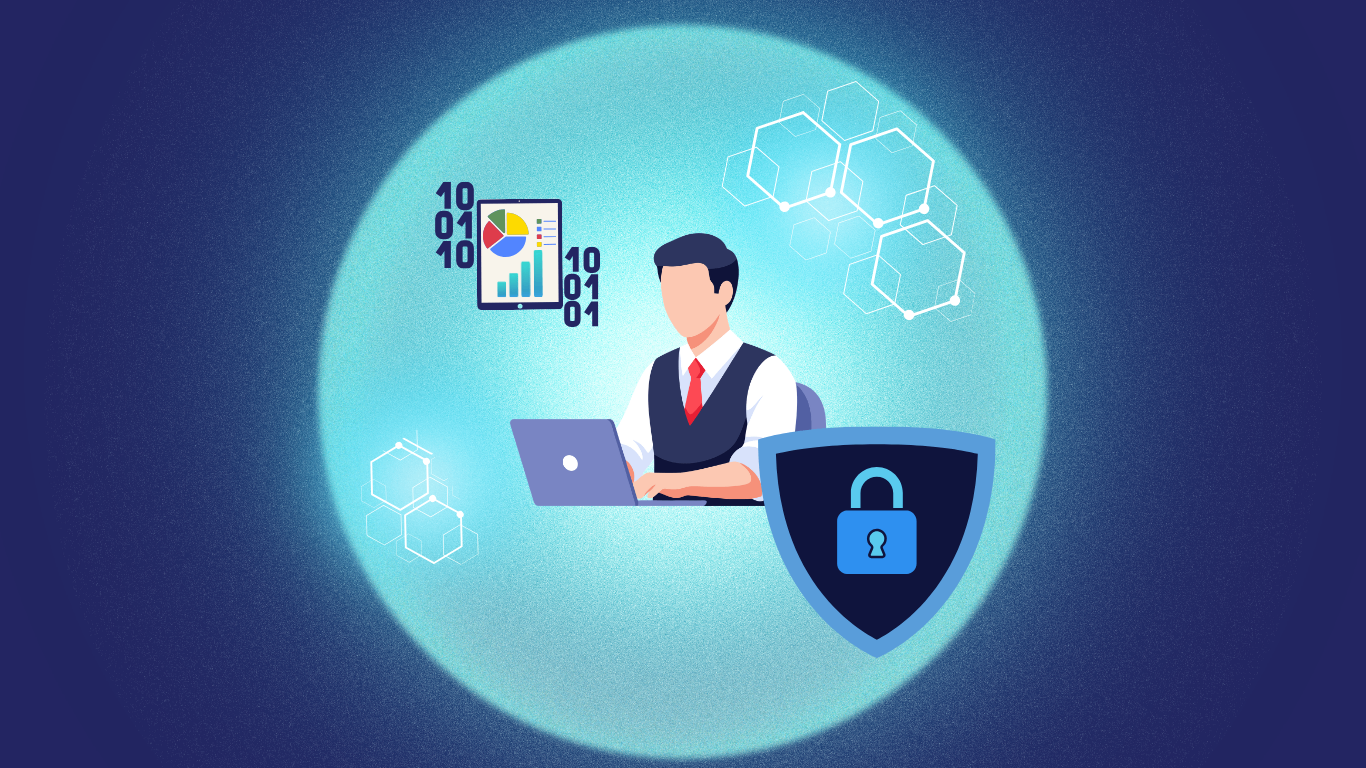
How to Build the Fortress: Centralized Data Governance
Turning your digital infrastructure into a fortress requires moving away from "App Proliferation" and toward a Unified Data Environment.
The Single Source of Truth: All field data, photos, and lab results are funneled into one secure, encrypted database from the moment of capture.
End-to-End Encryption: Ensuring data is protected both "at rest" and "in transit" from the field to the office.
Granular Audit Trails: Automatically recording every change made to a data point, providing a permanent, defensible record of "who, what, and when".
The Result: Resilience and Trust
When the IT Director moves the firm into a Digital Fortress, they provide the ultimate competitive advantage: Trust. Clients can rest easy knowing their data is secure, and the firm can scale without fear, knowing their digital foundation is as solid as the science they provide.
Series Conclusion: From the Juggler in the field to the Shield in the IT office, the path is clear. Automation isn't just about saving time; it's about reclaiming your firm's potential.