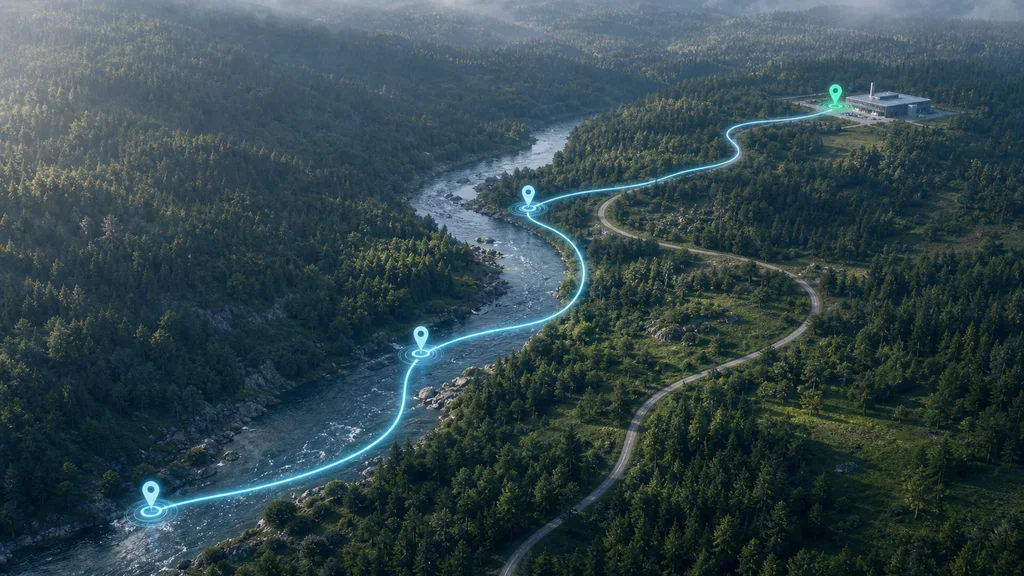
01Distributed field programsSites · samples · assets
Configured for the work
Sampling, custody, construction quality, asset inspections, and regulated service work ask different questions. aQRate gives each workflow its own structure while keeping one clear path from field evidence to usable output.
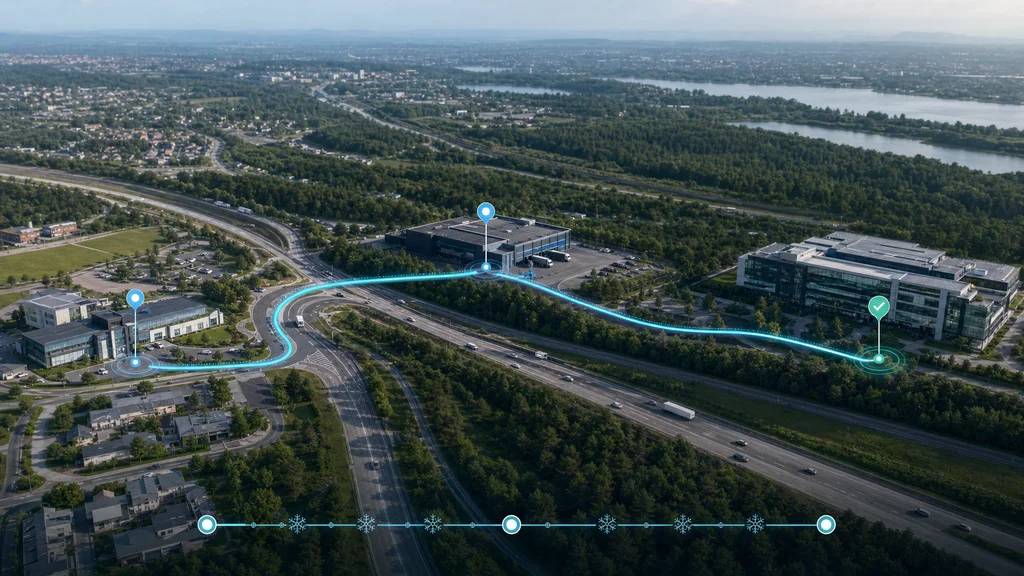

Workflow profiles
Choose the environment closest to yours. Each profile maps the information that enters the workflow, the evidence collected, the review step, and the final record.
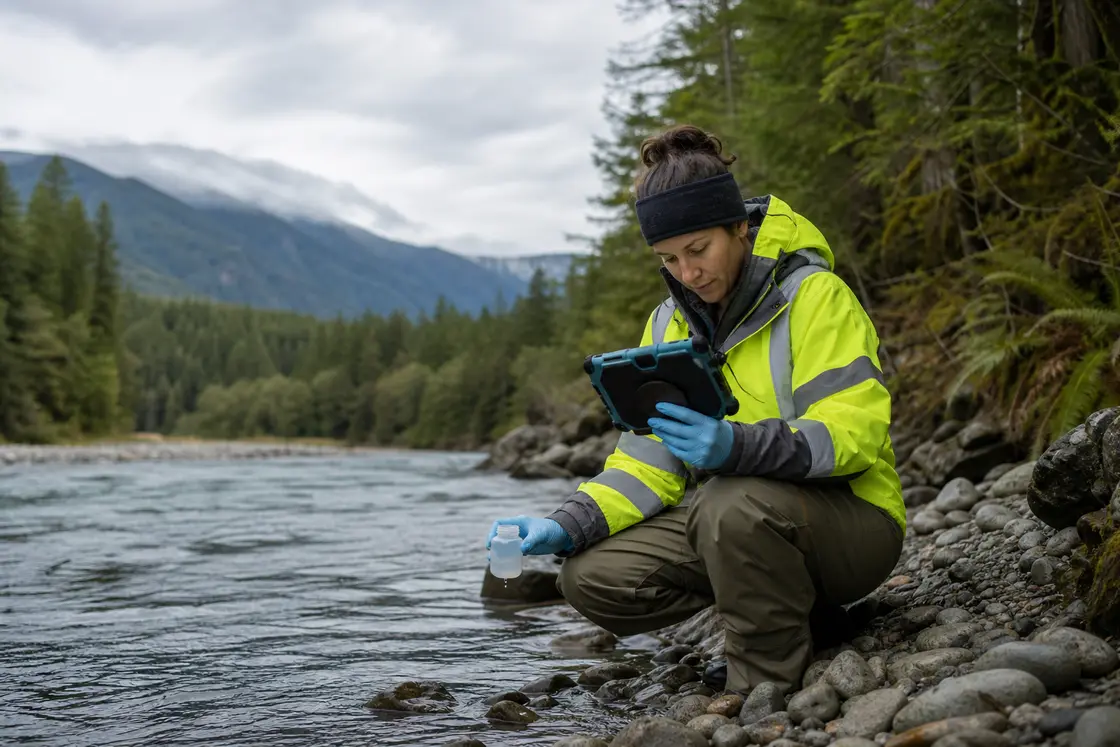
01 · Strong current fit
Track ALL your Environmental Site Assessment (ESA) data from field to the lab with complete documentation, geotagged photos, and field reports that hold up to scrutiny.
Sampling plans, GPS and photo evidence, sample IDs, custody, laboratory-result handoffs, and client-ready reports.
Program-specific SOPs, regulatory schemas, LIMS or environmental-data connections, and final submission formats.
Site, sample type, method, required evidence
Coordinates, readings, photos, signatures
Completeness, exceptions, and field notes
Visit record, PDF package, and structured export

02 · Strong current fit
Guide operators and contractors through consistent sampling and inspections across plants, pump stations, tanks, and distribution assets—even when the network disappears.
Scheduled field work, asset identification, readings, sample collection, exception evidence, review, and repeatable operating reports.
Utility-specific thresholds, SCADA or GIS connections, regulator exports, customer notifications, and work-management integrations.
Asset, route, inspection type, thresholds
Condition, readings, location, corrective notes
Outliers, missing evidence, and follow-up needs
Asset history, inspection PDF, and data export

03 · Strong current fit
Connect field context with sample receipt and testing work so identifiers, custody details, measurements, and exceptions remain visible at review.
Sample receipt, custody evidence, acceptance exceptions, field measurements, review, and structured result-to-report workflows.
Instrument integration, calculations, accreditation controls, electronic signatures, LIMS scope, and discipline-specific certificates.
Container, method, preservation, acceptance rules
Identifier, collector, time, condition, custody
Receipt exceptions and missing context
Intake record, custody package, and export

04 · Broad adjacent market
Capture field observations, installation checks, punch items, and closeout evidence in a record the project team can review and act on.
Configurable checklists, photos, locations, sign-off, office review, issue evidence, and professional inspection reports.
Drawing pinning, BIM or project-system integration, responsibility workflows, closeout packages, and contractor access.
Project, area, specification, hold point, evidence
Condition, measurement, photo, note, and sign-off
Failed checks, incomplete proof, and assigned follow-up
Inspection report, issue record, and structured export
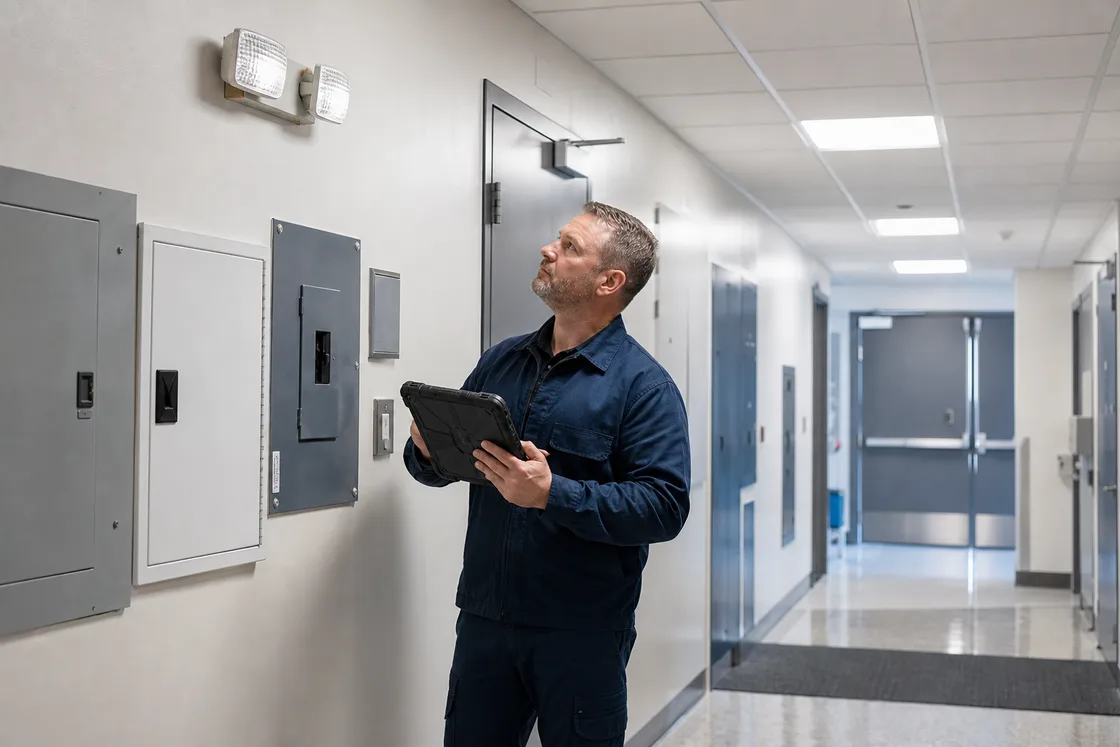
05 · Broad adjacent market
Standardize recurring checks across buildings and portfolios while keeping asset history, evidence, and outstanding issues visible to the office.
Asset-level forms, QR identification, photos, offline capture, review, repeatable reports, and structured portfolio exports.
Preventive-maintenance scheduling, work orders, vendor portals, code content, property systems, and escalation rules.
Property, asset, frequency, checklist, responsibility
Condition, evidence, identifier, note, and sign-off
Exceptions, missed checks, ownership, and follow-up
Site report, asset history, and portfolio export

06 · Regulated trade market
Give field technicians a guided inspection record for each building, system, and device, then move findings through office review and customer reporting.
Mobile inspection, asset identification, offline evidence capture, signatures, office review, PDF reports, and connected exports.
NFPA or ULC content, jurisdiction-specific forms, recurring scheduling, AHJ submission, deficiency-to-work-order flow, quoting, and billing.
Premises, system, device, frequency, test criteria
Result, reading, photo, note, signature, deficiency
Missing tests, evidence quality, and open findings
Customer report, deficiency record, and data handoff

07 · Integration-led trade market
Configure field records around the installed asset, required checks, measured condition, and service evidence across recurring customer visits.
Asset identification, guided checks, measurements, photos, signatures, office review, inspection reports, and API handoff.
Trade-code libraries, dispatch, recurring service schedules, inventory, quoting, billing, customer portals, and specialist calculations.
Customer, site, asset, inspection type, tolerance
Condition, reading, media, parts note, and sign-off
Failures, missing evidence, severity, and next action
Service report, asset history, and system export

08 · Specialist inspection market
Keep field observations, measurements, media, and reviewer decisions attached to the exact equipment and inspection event.
Guided field capture, identifiers, measurements, photos, review gates, inspection reports, and structured downstream data.
API or ASME code logic, CML and TML history, corrosion calculations, technical drawings, instrument imports, and integrity-system integration.
Asset, method, location, tolerance, evidence
Reading, condition, indication, photo, and note
Data quality, anomaly, severity, and engineering action
Inspection package, asset record, and data export
09 · Program-led field work
Structure field observations, sampling, and follow-up evidence so teams can review a complete record while work moves between sites, programs, and offices.
Configurable forms, offline collection, locations, photos, signatures, review, and structured reporting for field programs.
Program protocols, privacy requirements, case-management workflows, jurisdiction reporting, and laboratory connections.
Program, visit type, required observations, evidence
Location, observation, sample, photo, and note
Completeness, exception, and follow-up needs
Program record, field report, and data export
10 · Site and safety workflows
Keep site observations, inspections, samples, and corrective-action evidence tied to the area, visit, and responsible team in remote operating environments.
Offline field forms, locations, photos, signatures, review gates, inspection reports, and structured downstream data.
Mine-specific programs, hazard controls, regulatory reporting, incident workflows, GIS connections, and specialist monitoring requirements.
Site area, program, inspection type, required proof
Condition, observation, location, photo, and note
Missing evidence, exceptions, and next actions
Field record, inspection report, and data export
11 · Evidence-sensitive field work
Capture site conditions, material-related observations, photos, and sign-off in a guided record that can move through review and reporting.
Guided mobile forms, offline evidence capture, photos, signatures, office review, PDF reports, and connected exports.
Hazard classifications, regulatory forms, emergency procedures, chain-of-custody needs, and client-specific reporting.
Site, inspection scope, required observations, evidence
Condition, location, photo, note, and sign-off
Record completeness, exception, and required follow-up
Inspection report, field record, and data handoff
12 · Project and asset workflows
Keep inspection observations, construction evidence, asset conditions, and sign-off connected to the location, project stage, and follow-up record.
Configurable checklists, locations, photos, measurements, sign-off, office review, and professional inspection reports.
Asset registers, drawings, GIS or project-system connections, contractor workflows, jurisdiction forms, and closeout requirements.
Project, asset, stage, inspection type, required proof
Condition, measurement, location, photo, and note
Incomplete evidence, issues, and assigned follow-up
Inspection record, project report, and structured export
These profiles illustrate how a workflow can be configured. Exact fields, integrations, outputs, and operating requirements are confirmed during discovery.
Market-informed coverage
Ordered by current product fit, recurring inspection pressure, buyer breadth, and the amount of specialist code or operational infrastructure required—not simply by company count.
Strongest current fit
Location, sample identity, custody, photos, readings, and laboratory context must survive multiple handoffs.
Confirm in discoveryProgram rules, analytical schemas, and regulator-specific delivery still need confirmation.
Distributed assets and recurring sampling create a continuous need for consistent field records and review.
Confirm in discoverySCADA, GIS, work management, thresholds, and regulator exports vary by utility.
Identifiers, acceptance conditions, methods, results, and exceptions need one traceable handoff.
Confirm in discoveryLIMS, instrument, calculation, accreditation, and certificate requirements vary by discipline.
Photos, measurements, findings, responsible parties, and sign-off become the project quality record.
Confirm in discoveryDrawing pinning, BIM, contractor collaboration, and project-system connections determine the full fit.
Large adjacent markets
Teams need repeatable checks, asset history, evidence, issue visibility, and portfolio reporting.
Confirm in discoveryPreventive maintenance, work orders, vendor access, and property-system integration need scoping.
Recurring device-level testing creates heavy documentation, deficiency, customer-report, and retention requirements.
Confirm in discoveryCode libraries, AHJ forms and submission, recurrence, quoting, service, and billing are essential scope questions.
Large technician workforces repeat asset checks and need evidence that can become a customer-facing service record.
Confirm in discoveryDispatch, CRM, inventory, quoting, invoicing, and trade calculations often determine buying value.
Specialist opportunities
Inspectors need equipment history, guided checks, photos, code references, signatures, and filing-ready reports.
Confirm in discoveryA17 and B44 content, jurisdiction formats, scheduling, and correction tracking require validation.
Field measurements must stay connected to precise locations, methods, equipment history, and engineering review.
Confirm in discoveryCML and TML models, corrosion calculations, isometrics, instrument imports, and code logic are specialist requirements.
Repeat protocols, offline collection, coordinates, media, and deviations need consistent structure across field teams.
Confirm in discoveryStudy design, longitudinal identifiers, analysis schemas, and scientific QA rules vary significantly.
This is a go-to-market and workflow-fit map, not a claim that aQRate ships every trade code, regulator form, scheduling module, or specialist calculation out of the box.
The common thread
The industry changes. The pressure points are remarkably consistent: unclear requirements, evidence detached from the event, and review that begins too late.
Before the work
Make mandatory fields, evidence, validation, and conditional questions part of the configured workflow.
Structure the expectationAt the point of work
Keep location, time, identifiers, media, signatures, and notes with the submission they explain.
Preserve the eventAfter submission
Bring structured records into one review path before they become PDFs, exports, or downstream inputs.
Make the record usableA practical fit check
The useful demo is not a generic happy path. Show us the paper form, spreadsheet, disconnected handoff, weak-signal site, or audit package that creates friction today.
Start with your workflow
We’ll make the conversation specific to your field conditions, review process, and output requirements.